Campaign Strategy
Working with B2B influencers and industry experts
Plan B2B expert partnerships around practitioner fit, useful discussion, clear commercial terms and qualified enquiries.
A useful B2B expert partnership helps a defined buyer understand a work decision. Choose someone with relevant experience, agree on a question they can address honestly, and decide what the audience can do next. Reach and enquiries can inform the review, but neither establishes expertise or proves that the content caused a sale.
Define the expert’s job
Name the buyer and the decision the piece should help them make. An operations manager assessing a new process may need implementation constraints; a technical evaluator may need to see how a product behaves under specified conditions. Write the job in one sentence: “Help [role] assess [decision] by explaining [issue].”
Identify what the expert can contribute from their own practice. They might compare approaches, walk through a workflow or challenge assumptions in a moderated discussion. If the task is only to repeat a product sheet, an independent voice adds little. Make a relevant next step available, such as a technical resource or a way to ask a specific question.
Choose experience that fits the question
Review recent work on the subject and ask which parts of the proposed discussion the person has handled themselves. Distinguish direct practice from research or interviews. A senior title, large following or confident delivery cannot establish that fit alone.
Ask about relevant clients, advisory roles and other commercial interests. Agree how the partnership will be identified in the finished content, and leave room for the expert to explain when the product may be unsuitable. Record material gaps against this brief instead of assigning a general credibility score.
Make the discussion useful and accurate
Supply checked product facts, current prerequisites and any limits on proposed claims. Distinguish an available capability from a planned feature. Invite the expert to ask what a buyer should verify before adopting the approach.
For a hypothetical workflow tool, the expert could discuss how a team maps approval steps before considering software. The brand could show functions it has checked; the expert could explain where the process may still fail.
Check the full discussion and any edited clips to ensure the content gives an accurate overall impression; a shortened clip can change what viewers take away. Keep records supporting material product claims. The ACCC can require businesses to back up claims about their products or services and may investigate misleading claims.
Agree on use, data and format
Set the topic, preparation, access, deliverables, review contact and publication dates. Separate correction of a product fact from a request to change the expert’s opinion. Specify whether the agreement covers a live event, a recording, short clips or advertising use.
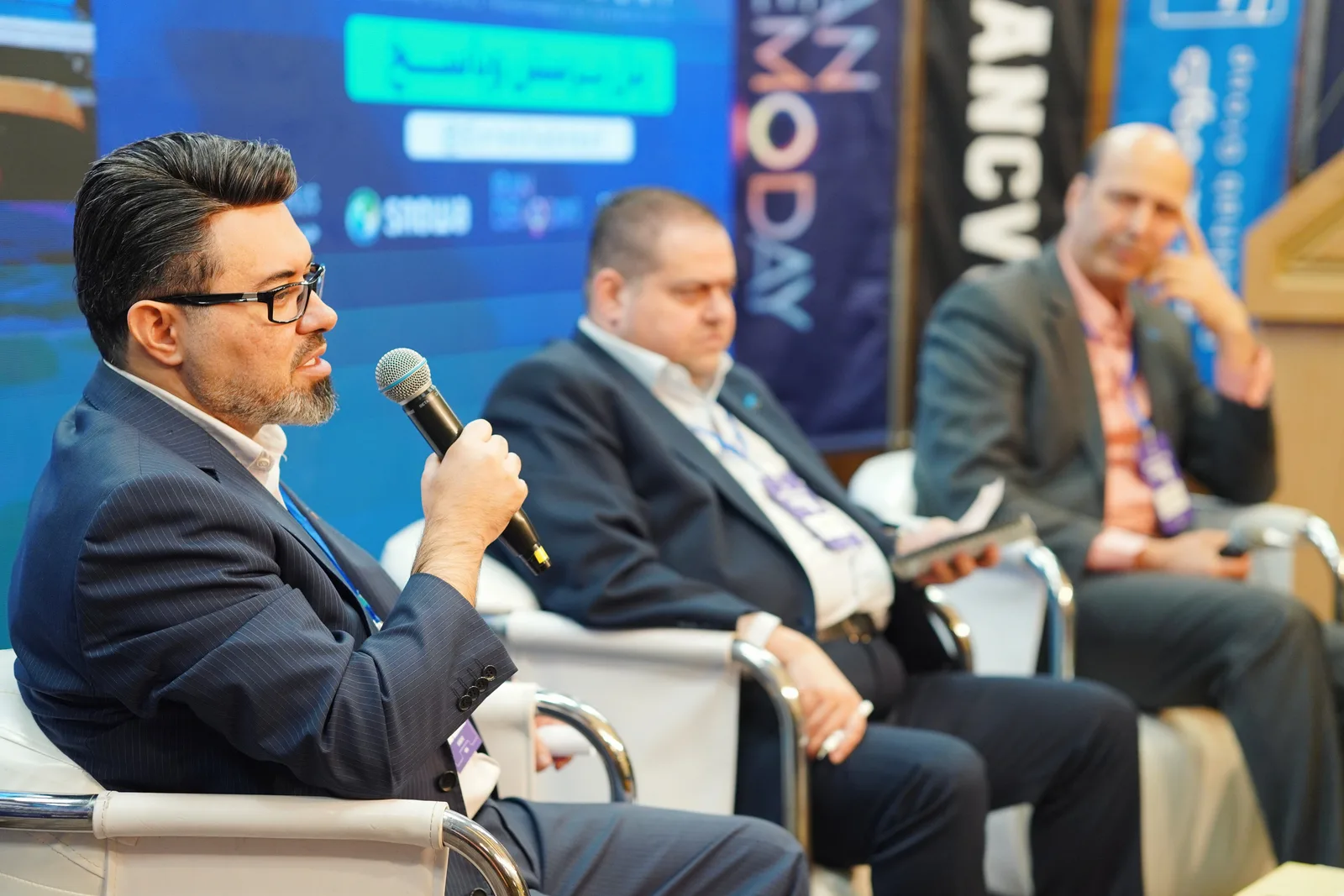
A webinar suits a question needing a worked explanation and audience questions. A sponsored post suits a point that can stand accurately in a shorter piece. Choose by the buyer question and the work each format requires.
If people register for an event, explain the intended use and sharing of their details. Check the applicable privacy rules and the requirements for any promotional email or SMS follow-up.
For organisations covered by the Australian Privacy Principles, explain how personal information will be collected, held, used and disclosed. APP 1 calls for reasonable steps to manage personal information openly and transparently, and an up-to-date privacy policy describing these matters. If information may be disclosed to overseas recipients, the policy must address this where required by APP 1.
Disclose the commercial relationship
Make the commercial relationship visible where the audience encounters the content. The AANA says influencer marketing should be disclosed in a way that is upfront, clear and obvious; a disclosure hidden among other material may not achieve that. Include disclosure requirements in the agreement and check the published piece, including any clips.
Pre-Publication Checklist for B2B Influencer Content
- Commercial relationship disclosed?Yes – visible, upfront, and clear in all formats, including short clips.
- Expert’s personal interests declared?Yes – any advisory roles, client work, or commercial ties disclosed in the content.
- Product claims backed by evidence?Yes – supporting documentation retained; no claims made about untested features.
- Privacy policy updated for data use?Yes – if registration is required, personal information handling complies with APP 1 under the Australian Privacy Principles.
- Content reviewed for accuracy after editing?Yes – full discussion checked to ensure shortened versions don’t misrepresent the expert’s views.
Put rights and reporting in writing
Specify who may use the content, where it may appear and whether the brand can edit or reuse it. The Australian Influencer Marketing Council’s Code of Practice covers content rights and intellectual property within contracts, along with appropriate briefs and contracts, brand safety, and metrics and reporting transparency. Use those areas as prompts for the agreement, rather than leaving later use implicit.
Review what happened
Agree with sales what counts as a qualified enquiry before publication. Review enquiries alongside registrations, attendance, views and questions, keeping these outcomes distinct. For detailed qualified-enquiry measurement, see the supporting article.
Review whether the content clarified the buyer’s decision, which enquiries met the agreed rule and what questions remained. Use those findings to improve the next piece or reconsider the partnership.
Key Compliance and Best Practice Metrics
- ACCC Investigation RiskHigh if claims lack substantiation; businesses must retain records to support product claims.
- Privacy Rule CoverageAll organisations covered by the Australian Privacy Principles (APP) must manage personal information transparently.
- Spam PreventionEmail/SMS follow-ups must comply with ACMA guidelines to avoid spamming recipients.
- Influencer Disclosure ClarityAANA recommends disclosures be clear, visible, and not hidden among other text.
- Content Reuse RightsMust be explicitly defined in contracts—especially for reuse across platforms or future campaigns.
In this guide
- Evaluating practitioner credibility in a B2B creatorAssess a B2B creator’s relevant practice, explanations, limitations and commercial interests before commissioning expert content.
- Turning a technical product into a useful expert discussionFrame a technical expert discussion around a buyer decision, verified product behaviour, visible limits and useful next steps.
- Measuring qualified enquiries from B2B creator contentDefine a qualified B2B enquiry, connect creator routes where possible and report attribution limits without double-counting.
- Choosing between an expert webinar and a sponsored postCompare an expert webinar with a sponsored post by buyer question, production work, audience action and measurement limits.